
Top 5 Affordable Island Vacations: A Water Travel Guide
From the serene beaches of the Canary Islands to the vibrant culture of the Indian Ocean, we’ve handpicked budget-friendly spots perfect for your next escape. Learn tips on how to save on travel costs, find the best accommodations, and explore local attractions. Whether you dream of lounging on white sand or diving into crystal-clear waters, this guide will inspire your wanderlust while keeping your wallet happy. Don’t miss out on these incredible experiences; read now to get ready for your perfect island adventure!
11/8/202510 min read


If you’re dreaming of turquoise water, soft sand, and island rhythms without breaking the bank, you’re in the right place. As someone who loves travel, faith-based stories, and discovering places that feel immersive rather than superficial, I’ve chosen five islands that combine water-based adventure, culture and tradition, budget-friendly logistics, and a whole lot of soul. Whether you plan a solo escape, a couples retreat, or a trio of friends looking to soak and reset, these picks deliver.
In each section you’ll learn: must-do experiences, cultural/tradition highlights, typical weather + what to wear, approximate costs, how to dig up the best deals on accommodation/flights/excursions, packing and expectations. Let’s dive in.
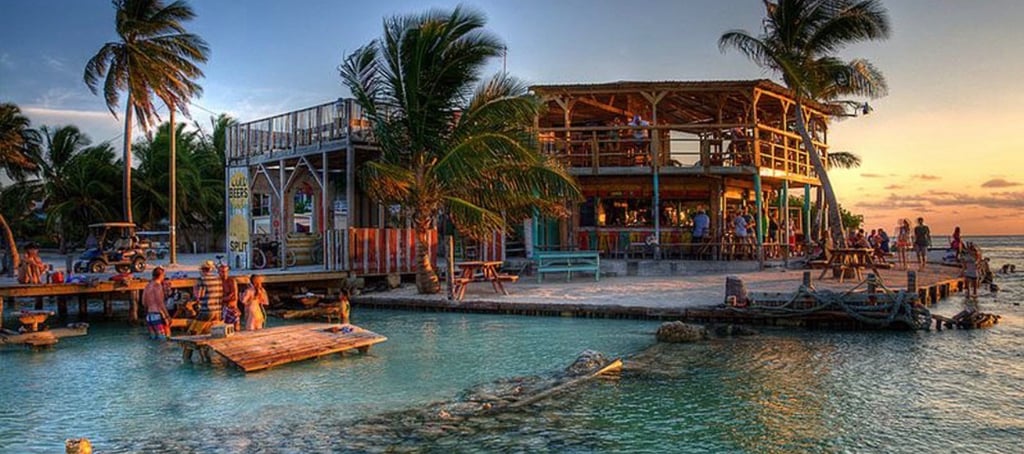
Must-Do Water Experiences
Snorkel the Belize Barrier Reef just off the island with coral, turtles and nurse sharks.
Visit Shark & Ray Alley: swim with rays and smaller sharks in shallow water.
Relax at “The Split” — the channel that divides the island; watch sun-set, swim, float.
Take a bike or golf‐cart style ride around the tiny island; water view everywhere.
Culture & Traditions
The island is laid-back, motto “go slow”. Local life = fishing + reef tourism.
While less about formal ceremonies, you’ll find Creole culture, local eats, relaxed rhythms of Caribbean living.
Respect local rhythm: dress modestly when away from beach, support local food stands.
A tip: bring reusable water bottle and support eco-friendly initiatives, given reef sensitivity.
Weather & What to Wear
Tropical climate: warm year-round; water 80-85 °F (≈27-29 °C).
Best months: dry season = late Nov to Apr (fewer storms).
What to wear: lightweight swimwear, rash-guard for snorkel days, cover-up tunic for town, sandals, reef-safe sunscreen, sun-hat. Evening: light linen shirt or dress.
Pack a light rain shell if travelling shoulder season.
Average Costs & Budgeting
Accommodation: many guesthouses/hostels from US$ 40-70/night; moderate hotels US$ 120+.
Food: casual local meals very reasonable.
Excursions: reef snorkel tours may run US$ 40-80.
Flights/ferry: often fly to Belize City, then ferry to Caye Caulker (~$$20-30).
Total mid-budget 5-day stay: US$ 1200-1500 (flight from U.S. + accommodation + activities) is realistic.
Finding the Best Deals
Book flights early or use fare-alerts; consider mid-week departures for cheaper tickets.
Accommodation: use aggregator sites and filter for “free cancellation” (flexibility helps).
Booking stays: your usual sites + local guesthouse websites often have lower rates.
For tours & excursions: compare local operator reviews, and perhaps book locally on the island when you arrive (sometimes cheaper).
Combine items: e.g., accommodation + day-trip bundle.
Always check cancellation policy.
Packing and What to Expect
Pack: swimwear (2 sets), snorkel gear (optional, you can rent), reef-safe sunscreen, insect-repellent (mosquitoes), dry‐bag for electronics, waterproof phone case, dive mask with strap (if you plan night snorkel).
Expect: laid-back pace, narrow streets of sand, breezy island life. Respect the slow local rhythm. Some areas may be more basic (walkable sand roads, less polished than luxury resorts). For full service/resort-style you’ll pay more.
Safety tip: the water is lovely but sun is strong—reapply sunscreen often; and when snorkeling, heed guide’s instructions.
Connectivity: wifi is fine in many places but expect some slower spots; you may want to limit streaming.
Why This Island?
It’s an excellent pick for travellers seeking island water experiences without luxury-resort pricing. You get serious water-play (reef snorkel, rays) + local culture + affordability. Many blogs list Caye Caulker among budget-friendly top islands.
1. Caye Caulker, Belize
2. Mauritius (Indian Ocean)
Must-Do Water Experiences
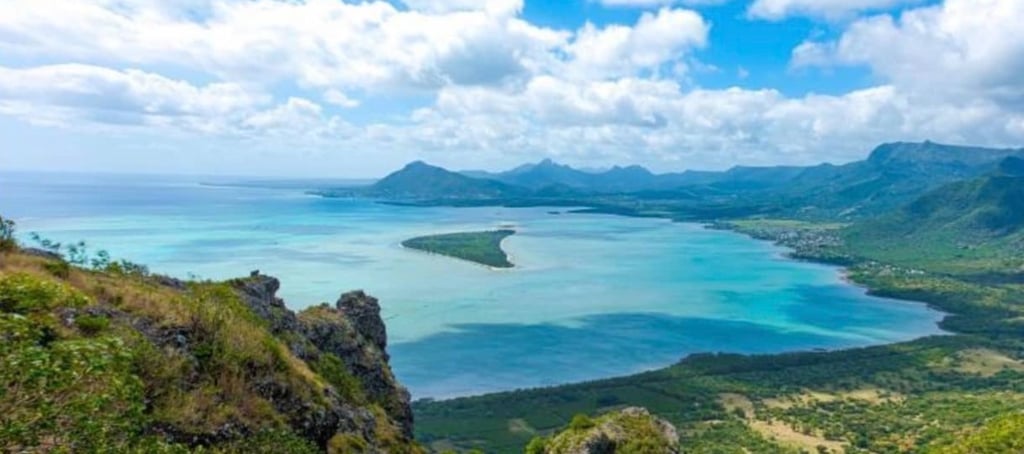
Swim or snorkel in the lagoons: Mauritius has protected reef waters, calm and excellent for beginners.
Try paddle‐boarding or kayaking in the clear shallows.
Dive or take a boat excursion to deeper reefs, maybe dolphin-watching.
Spend a beach day at famous sands like Flic en Flac or Belle Mare.
Optional: Try kite-surf or wind-surf on the east coast (depending on season).
Culture & Traditions
Mauritius is a cultural mosaic: Indian, African, Chinese and European heritage all blend.
Music & dance: “Sega” is the iconic Mauritian folk dance, symbolizing the island’s identity.
Festivals: Hindu festivals (Diwali, Shivaratri), Chinese festivals, and Christian visits all part of the local rhythm. E.g., visiting a Hindu temple, sampling street-food.
When you visit local markets or villages, you’ll find crafts, sugar-cane fields, colonial manor houses turned museums.
Weather & What to Wear
Tropical maritime climate: warm, humid.
Best time: May to December (cooler, drier). Jan-Mar is hot, humid, and higher storm risk.
What to bring: swimwear, light cotton or linen clothes, sandals, sun hat, reef-safe sunscreen, a shawl for evenings (cooler). If you snorkel, bring mask or rent.
Respectful dress: when visiting temples or villages, cover shoulders and wear knee-length or longer bottoms.
Average Costs & Budgeting
Flights from U.S. will be higher (Indian Ocean travel) so budget accordingly.
Accommodation: mid-range resorts or guest-houses often much more affordable than comparable islands in Maldives etc.
Food: local street food and small restaurants are very reasonable; upscale resort dining will cost more.
For a 7-day stay (excluding flight) moderate budget may run US$100-150/night for lodging + US$50-70/day food + activities.
Total budget: depending on departure location could range US$ 2000-3000 inclusive for a comfortable stay (still good value for Mauritius).
Finding the Best Deals
Use flight tracking and flexible dates; flying during shoulder season can save a lot.
Accommodation: filter by “non-resort” options: guesthouses, boutique hotels.
Use deal sites or bundle packages that include lodging + local transport or excursions.
For excursions: book in advance online or ask your accommodation for local trusted operators (often cheaper than resort rates).
Compare currency exchange and local transport costs in advance.
Packing and What to Expect
Pack snorkel gear if you prefer your own, though rental is available.
Bring a dry-bag or waterproof pouch for your phone.
Lightweight rain jacket if travelling during transitional months.
Expect a mix: pristine beaches and luxury resort style plus local markets, village life, rural experiences. This blend is one of Mauritius’s great charms: you can relax hard, but also step into culture.
Some transport between beach-zones may require taxi; plan for extra travel time if staying in less central locations.
Why This Island?
Mauritius offers a uniquely global culture, stunning beaches, and water-based activities with good value for money—especially compared with ultra-luxury islands. It hits the sweet spot of “island paradise + culture + affordability”.


3. Zanzibar (Tanzania)
Must-Do Water Experiences
Snorkel the Belize Barrier Reef just off the island with coral, turtles and nurse sharks.
Visit Shark & Ray Alley: swim with rays and smaller sharks in shallow water.
Relax at “The Split” — the channel that divides the island; watch sun-set, swim, float.
Take a bike or golf‐cart style ride around the tiny island; water view everywhere.
Culture & Traditions
The island is laid-back, motto “go slow”. Local life = fishing + reef tourism.
While less about formal ceremonies, you’ll find Creole culture, local eats, relaxed rhythms of Caribbean living.
Respect local rhythm: dress modestly when away from beach, support local food stands.
A tip: bring reusable water bottle and support eco-friendly initiatives, given reef sensitivity.
Weather & What to Wear
Tropical climate: warm year-round; water 80-85 °F (≈27-29 °C).
Best months: dry season = late Nov to Apr (fewer storms).
What to wear: lightweight swimwear, rash-guard for snorkel days, cover-up tunic for town, sandals, reef-safe sunscreen, sun-hat. Evening: light linen shirt or dress.
Pack a light rain shell if travelling shoulder season.
Average Costs & Budgeting
Accommodation: many guesthouses/hostels from US$ 40-70/night; moderate hotels US$ 120+.
Food: casual local meals very reasonable.
Excursions: reef snorkel tours may run US$ 40-80.
Flights/ferry: often fly to Belize City, then ferry to Caye Caulker (~$$20-30).
Total mid-budget 5-day stay: US$ 1200-1500 (flight from U.S. + accommodation + activities) is realistic.
Finding the Best Deals
Book flights early or use fare-alerts; consider mid-week departures for cheaper tickets.
Accommodation: use aggregator sites and filter for “free cancellation” (flexibility helps).
Booking stays: your usual sites + local guesthouse websites often have lower rates.
For tours & excursions: compare local operator reviews, and perhaps book locally on the island when you arrive (sometimes cheaper).
Combine items: e.g., accommodation + day-trip bundle.
Always check cancellation policy.
Packing and What to Expect
Pack: swimwear (2 sets), snorkel gear (optional, you can rent), reef-safe sunscreen, insect-repellent (mosquitoes), dry‐bag for electronics, waterproof phone case, dive mask with strap (if you plan night snorkel).
Expect: laid-back pace, narrow streets of sand, breezy island life. Respect the slow local rhythm. Some areas may be more basic (walkable sand roads, less polished than luxury resorts). For full service/resort-style you’ll pay more.
Safety tip: the water is lovely but sun is strong—reapply sunscreen often; and when snorkeling, heed guide’s instructions.
Connectivity: wifi is fine in many places but expect some slower spots; you may want to limit streaming.
Why This Island?
It’s an excellent pick for travellers seeking island water experiences without luxury-resort pricing. You get serious water-play (reef snorkel, rays) + local culture + affordability. Many blogs list Caye Caulker among budget-friendly top islands.


4. Crete (Greek Island)
Must-Do Water Experiences
Swim in the Mediterranean in clear waters—many beaches with gentle entry are budget-friendly.
Take boat trips to hidden coves or small islets off Crete’s coast.
Try snorkeling or stand‐up paddle in calmer bays.
More adventurous: sea-kayak or explore sea caves on the south coast.
Culture & Traditions
Crete is steeped in Minoan and Greek tradition: music, dance (Cretan lyra, mandolin), village festivals (panigyria).
Traditional food: fresh olive oil, Cretan cheeses, local raki (drink).
Life is slower in villages: walk through olive groves, visit small tavernas, meet locals.
Historical sites abound (Minoan palaces, Byzantine churches).
Respect: dress modestly when visiting churches; greet elders with typical Greek hospitality.
Weather & What to Wear
Mediterranean climate: hot, dry summers (June-August), mild winters.
Best time for water + fewer crowds: May-Jun or Sep-Oct.
What to wear: swimwear; light cotton dress or shirt; sandals; towel. For villages or small towns: something casual but not overly beach-wear for dinner. Evening: light jacket.
Sun protection: strong sun midday.
Average Costs & Budgeting
Flights from mainland Europe often cheap; from U.S add accordingly.
Accommodation: off peak or shoulder season you can find hotels or guesthouses from € 50-80/night.
Food: tavernas serving local food are excellent value — € 10-15 for a good meal.
Activities: boat trips ~€30-50; heritage site visits modest.
A 6-day stay for moderate budget could be US$800-1200 from a European hub; from U.S add flight cost.
Finding the Best Deals
Use flight hubs in Europe (Athens, Rome) then hop to Crete.
Choose less-touristy towns (not just major resorts) for better value.
Book early for summer; for shoulder seasons you might find great discounts.
Use local transport (buses) rather than car rental (unless you want flexibility).
Accommodation sites + local guest-houses often offer promotional rates off-season.
Packing and What to Expect
Bring: swimwear, towels, snorkel mask, light jacket, daypack, good walking shoes (villages have stone streets).
Expect: beaches with more local character (vs. ultra-commercial resort strips). Small tavernas, local life, slower nights.
Some tourist seasons spike in price, so travelling shoulder season yields better value.
Some beaches are pebbly rather than pure sand—bring water-shoes for comfort.
Why This Island?
For travellers who want a European island escape without paying Swiss-resort prices, Crete delivers. Beautiful water, cultural depth, great food, value.


5. Fuerteventura (Canary Islands, Spain)
Must-Do Water Experiences
Chill on the long golden beaches like Corralejo, El Cotillo.
Try wind-surf or kite-surf (north coast has winds) or simple paddle/sup in calmer spots.
Snorkel in some of the marine reserves.
Boat trip for dolphin/whale sightings (Canary waters).
Culture & Traditions
Canarian culture: Spanish island heritage with African/Portuguese influence.
Try local dishes: “papas arrugadas” (wrinkled potatoes) with mojo sauce.
Villages have wine, craft shops, local festivals and less-touristy zones away from beach resorts.
Note: less intense cultural immersion compared to remote islands—but still genuine local life.
Weather & What to Wear
Sub-tropical climate, mild year-round weather, many sunshine hours.
Best time: almost all year (makes it great for off‐season travel).
What to wear: swimwear, light clothes, sandals. For wind-surf days have rash‐guard, for evenings a light sweater.
Wind can pick up especially on north/east coast so pack a windbreaker.
Average Costs & Budgeting
Airline deals from Europe are good; from U.S may be more but still often better value than many Caribbean islands.
Accommodation: budget and mid-range options plentiful. A stay in summer noted “around £443 per person” for 7 nights in 4-star.
Food and transport: very reasonable.
Total 5-day stay maybe US$800-1200 excluding long-haul flight (if coming from U.S).
Lower cost than many “resort island” equivalents.
Finding the Best Deals
Use European flight hubs or search deals from U.S gateways; use flexible dates.
Book accommodation slightly inland or off-beach to save.
Use local transport (buses) rather than taxi.
Book equipment (kite/wind-surf) in bulk or off-peak for better rates.
Use package deals with lodging + transport.
Packing and What to Expect
Rings, include: swimwear, rash-guard for windy days, windbreaker, water-shoes, hat, sunglasses.
Expect: beaches that might have stronger winds; some resort zones mixed with local villages. A mix of relaxing beach-time, moderate water sports.
Some tourism zones may feel more commercial, but value is strong.
If you prefer very quiet and remote, pick less touristic towns rather than main resort strips.
Why This Island?
Fuerteventura stands out for offering real ocean/beach time, wind-and-waves options, and generally lower cost compared to many Mediterranean or Caribbean resort islands. A great “water + beach escape” with European ease and value.
Final Thoughts & Tips
Each of these five islands offers something slightly different but they share key things: accessible water adventures, local culture (not just “resort culture”), and a budget-conscious mindset. Here are a few extra tips to pull everything together:
Travel in shoulder seasons (just before or just after the peak) to save money and avoid crowds.
Bundle smartly: flights + hotel or accommodation + excursion can cost less when combined.
Use aggregator websites to compare – but once you find a great local operator or guesthouse, sometimes booking direct is cheaper.
Be flexible: mid-week departures, alternative airports, staying a little off-the-main-strip all save.
Pack smart: You’ll save locally if you already have snorkel gear, rash guards, dry-bags, etc.
Stay culturally aware: Respect local customs, dress codes, sustainability (reef safe sunscreen etc).
Budget for experiences: Beaches are free but boat trips, equipment hire, reef snorkels add up.